About Us
THE NATIONAL EXECUTIVE COMMITTEE OF ASPAH
ASPAH is led by a national executive committee of up to 11 individuals who are passionate about the importance of
high-quality healthcare for performing artists. Their expertise and experience encompasses diverse fields. The committee includes healthcare professionals, pedagogues, researchers, and performing artists.

Executive Committee Office Bearers
Click on headshots to read bios
Dr Alison Evans
President

Dr Alison Evans
President
Dr Evans holds degrees in music performance (bassoon) and music education (secondary school). Her doctoral studies focused on performing-related musculoskeletal disorders (PRMDs) in musicians, in particular stress velopharyngeal insufficiency that can affect woodwind and brass instrumentalists. As a result, her research has increased awareness among the music and health-care professions to recognize potential risk factors and symptoms of this lesser-known PRMD. As a music educator, Dr Evans is passionate about applying performing arts medicine research to make changes to music teaching and learning outcomes. Her commitment to this field is driven by wanting to help other musicians minimise their risk of experiencing playing-related pain or injury. Her current research has focussed on musician’s health education in pre-tertiary and tertiary music institutions, investigating how health literacy and behavioural science theoretical frameworks can be applied to improve music students’ level of and application of health information knowledge to optimise music performance and minimise playing-related injuries. Dr Evans is also co-artistic director of the Sydney-based, Sirius Chamber Ensemble, who collaborate with Australian contemporary classical composers, regularly performing recital programs of chamber music for winds, strings and piano in Sydney and regional New South Wales.
A/Prof. Suzanne Wijsman
Vice-President
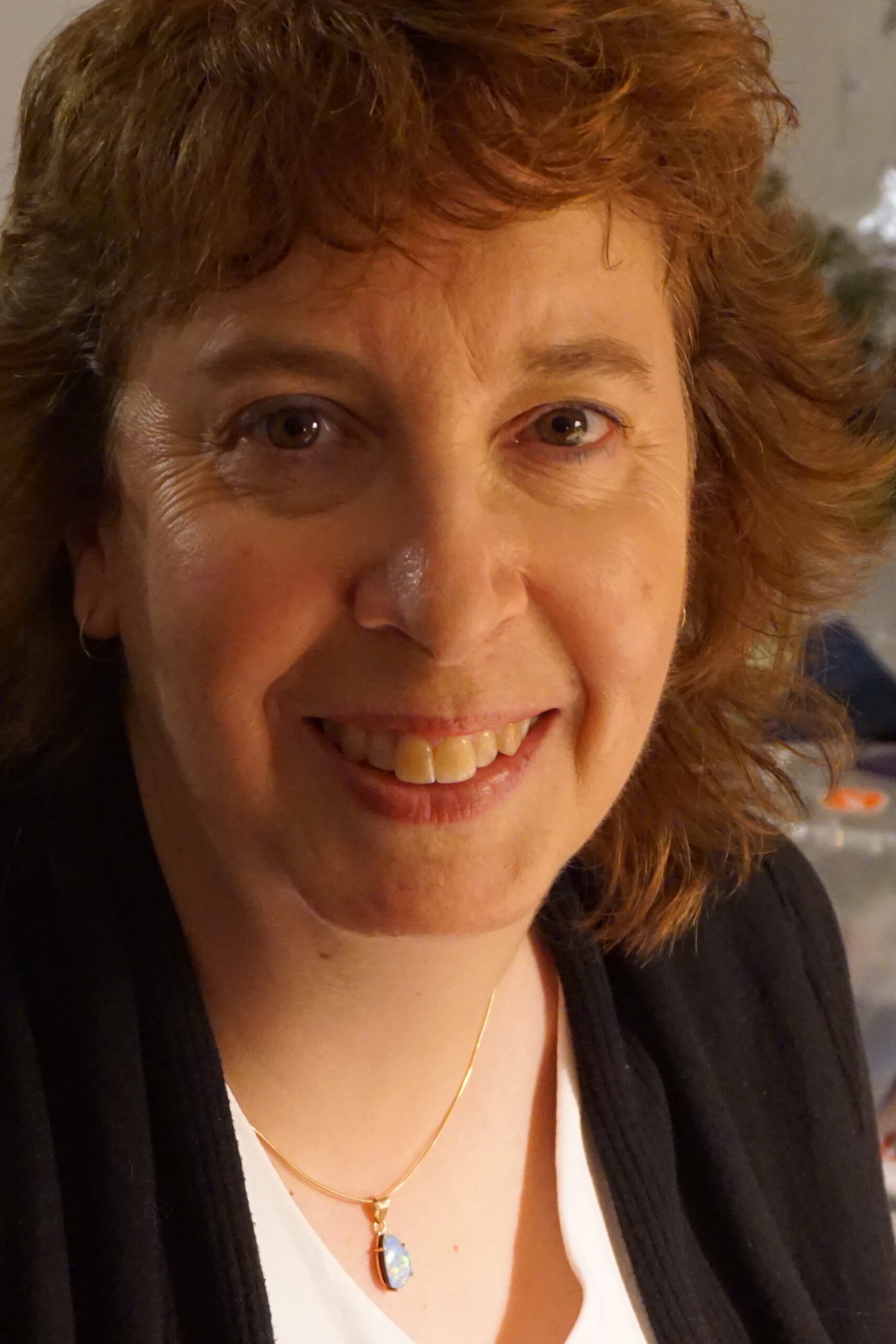
A/Prof. Suzanne Wijsman
Vice-President
Suzanne Wijsman, DMA, is Associate Professor in the Conservatorium of Music at the University of Western Australia. The recipient of a Fulbright Award for study in the UK and many awards, as a cellist Suzanne has performed extensively in the USA, Australia and Europe. In the USA, she was a member of the prize-winning Augustine String Quartet. After moving to Australia, Suzanne performed with the acclaimed Stirling String Quartet, touring in Australia and internationally. In the arena of historical performance, she recorded an acclaimed series of five CDs for ABC Classics, The Perfection of Music: Masterpieces of the French Baroque, called “a landmark in the Australian performance of baroque music” (Sydney Morning Herald). In 2014 she premiered Peter Sculthorpe’s last work, Lament, as cello soloist at the University of Western Australia. A highly respected pedagogue, cello students of Suzanne Wijsman have pursued high-profile post-graduate destinations and performance or teaching careers in Australia, Europe, the UK and North America.
Suzanne is a leading researcher in musicians’ health in Australia. She led an interdisciplinary team in The Biomechanics of Cello Bowing (UWA Research Grant, 2004), investigating how cellists’ bowing movements relate to injury risks. From 2009-2012 with Bronwen Ackermann, she led the Musicians’ Health National Curriculum Initiative (MHNCI) to develop online performance health education for musicians, resulting in Sound Performers (sound performers.com), supported by an Australian Office of Learning and Teaching (OLT) Priority Projects grant ($220,000).
Suzanne has also led or been a Chief Investigator for several international collaborative projects focused on health education for musicians: Musicians’ Performance Health Education: A Translational Approach (UWA Research Collaboration Award, 2017); Sound Performers Canada (led by Christine Guptill, University of Ottawa, SSHRC grant, Canada, 2018-2021). Suzanne is Academic Lead for Health Literacy and Health Education Mobility for Musicians: a global approach, which formed the Musicians Health Literacy Consortium in 2018 (Worldwide Universities Network Research Development Fund, 2018-2021). She is a Co-Investigator for Health promotion in post-secondary music education: An institutional ethnography (led by Christine Guptill, University of Ottawa, SSHRC grant, Canada, 2021-2024). With Bronwen Ackermann, she is currently leading the project Training Sound Performers, funded by the Australia Council (2022-2024), to develop new health education resources for music educators.
Dr Paul Duff
Treasurer
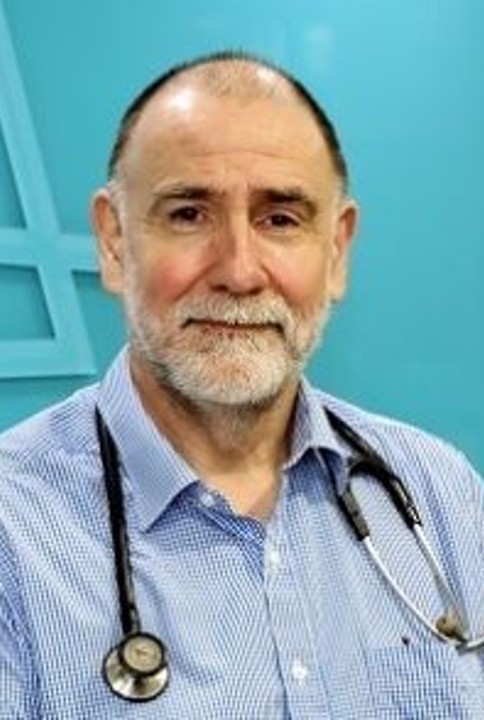
Dr Paul Duff
Treasurer
Dr Paul Duff is a general practitioner in Woy Woy, NSW. He is a foundation member of ASPAH and has been its Public Officer since its inception. He has had a lifelong involvement with the performing arts, from his membership of the Australian Boys Choir as a child and amateur choral performances as an adult through to his 20 year association with the Sydney Symphony Orchestra as its touring doctor from 1995 to 2015.
Julia Barry
Secretary

Julia Barry
Secretary
Julia is a graduate of the Royal Ballet School Teachers’ Training Course Diploma in Ballet Teaching and has a 45-year dance teaching career encompassing running her own large dance school and youth performance company and freelance dance teaching and choreographing at private studios, full-time vocational courses and university dance performance and teacher training programmes. Julia was also Chair for three years of the Industry Advisory Committee for Auckland University of Technology’s BDance programme and has experience as a contributor to dance magazine articles and as a dance performance reviewer.
In 2021 Julia completed a Master of Philosophy at Queensland University of Technology (QUT) researching adolescent dancer wellness in elite pre-professional dance schools and private dance studios. Julia also has a Master of Creative Industries (Dance Teaching) from QUT (2008) and a Postgraduate Certificate in Higher Education (Teaching and Learning) from Macquarie University (2013).
Julia is a Life Member, Registered Teacher and Examiner for the Royal Academy of Dance (RAD) and holds the Academy’s Advanced Teaching Diploma. She is also a Practical Teaching Supervisor and Tutor for the RAD Faculty of Education programmes. Julia has presented regarding her research and teaching strategies at three RAD Conferences in Australia and at the International Association for Dance Medicine and Science (IADMS) Sydney Regional Meeting. Julia also has teaching qualifications in Benesh Movement Notation, Pilates Matwork and ISTD Imperial Ballet, Cecchetti Ballet, Modern Theatre and National Character Dance.
Executive Committee Members
Click on headshots to read bios
Jonas Anderson
Member
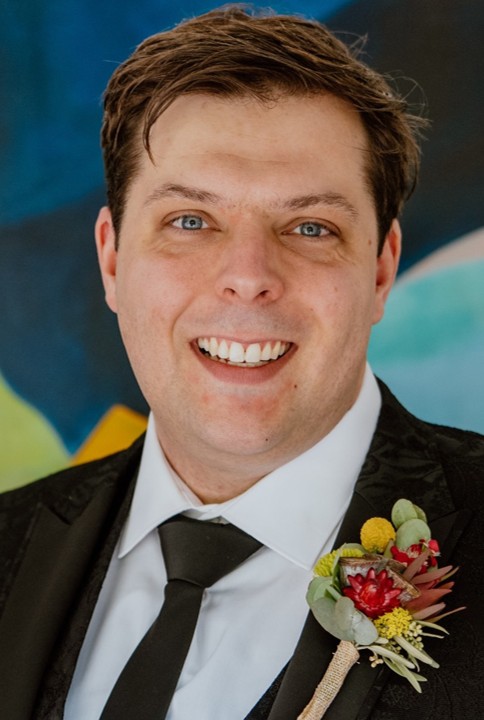
Amelia Jones
Member

Dr Karen Anne Lonsdale
Member
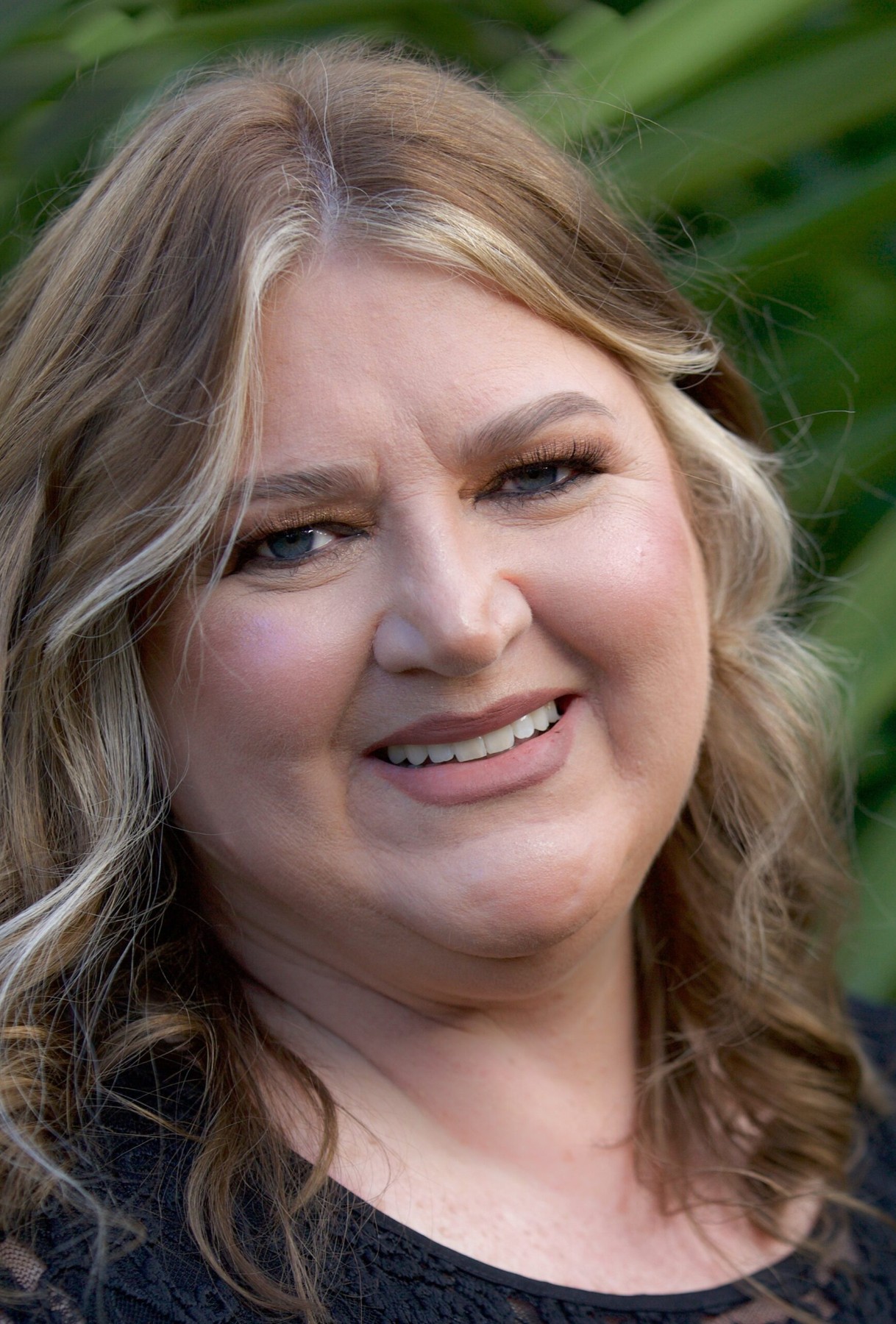
Grace Marshall
Member
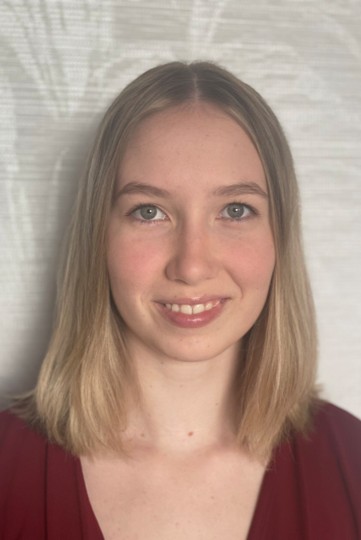
Jonas Anderson
Member
Add text
Amelia Jones
Member
Amelia graduated from Australian Catholic University with a Bachelor of Physiotherapy. She is currently working in a private musculoskeletal physiotherapy clinic in Brisbane where she conducts tertiary dance assessments, pre-pointe assessments and artistic pilates classes. Amelia has a passion for the performing arts based on her extensive past experiences as a performer. Growing up, Amelia participated in ballet, sport aerobics, jazz, contemporary and lyrical. She has since taught ballet following the RAD syllabus and coached athletes to win sport aerobics national championship titles. Amelia has a passion for treating performing artists. She believes in treating people holistically to ensure that all performing artists, can continue to thrive on stage.
Dr Karen Anne Lonsdale, DMA
Member
Dr Karen Anne Lonsdale holds a Bachelor of Music and a Graduate Diploma of Music from the Queensland Conservatorium, a Meisterklassendiplom from the Hochschule für Musik in Munich, Germany, a Graduate Certificate in Education from the Queensland University of Technology, a Master of Learning and Teaching (Distinction) from the University of Southern Queensland, and a Doctor of Musical Arts (DMA) from Griffith University. She was appointed to the position of Senior Lecturer at the Faculty of Music and Performing Arts, Sultan Idris Education University, Malaysia from 2012-2018. Her research has been published in the Medical Problems of Performing Artists journal, Malaysian Music Journal, and the Journal of Australian Studies. She is an Examiner for the Australian Music Examinations Board and an Instrumental Music Teacher for Education Queensland. She has performed as a flautist with multiple professional orchestras in Australia, and overseas, and is currently Principal Flute of the Logan City Symphony Orchestra.
Grace Marshall
Member
Grace is a musculoskeletal physiotherapist living and working in Brisbane. Having grown up within the dance and theatre community and performing nationally for audiences as a classical guitarist, Grace is passionate about providing high quality healthcare to artists and athletes from all disciplines and experience levels. She loves to help people get back on their feet after injury and support their return to doing the things they love, whether that is in the workplace, on the stage or as a part of their usual day to day activities. Outside of work, Grace enjoys developing her strength and flexibility in aerial circus classes.
Paolo Menaspà
Member
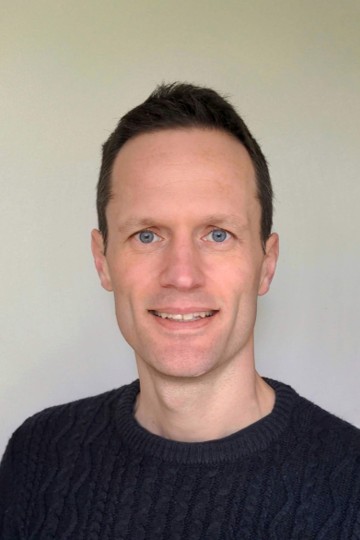
Dr Diana Tolmie
Member

Maria Yee
Member
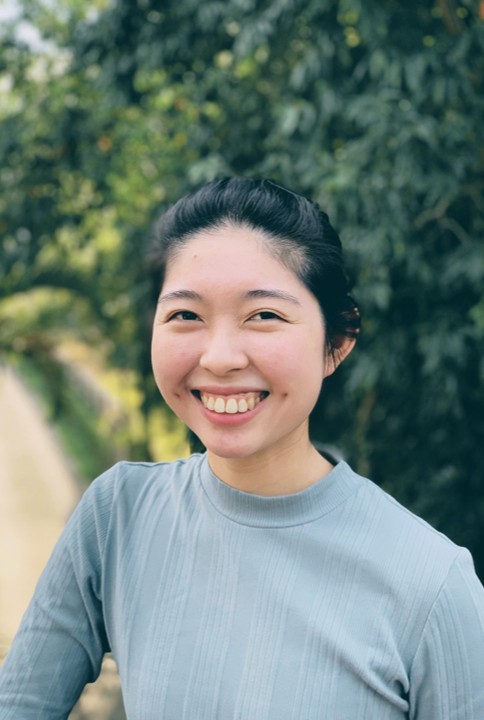
Paolo Menaspà
Member
Paolo Menaspà is the Chief Science Officer at the Australian Institute of Sport (AIS), where he led the development of the 2025 National Science and Research Priorities for High Performance Sport. At the AIS, Paolo is/was responsible for research and development, quality assurance, athlete performance health, and REST (Recovery, Environment, Sleep, and Travel). He also served as the organisation’s inaugural Equity, Diversity, and Inclusion Champion from 2023 to 2024.
Paolo earned his PhD in sport science from Edith Cowan University in Perth in 2015 and remains an active researcher. He brings two decades of international experience across Olympic, Paralympic, and professional sports. Paolo was embedded with national teams in preparation for the Beijing 2008, London 2012, Rio 2016, and Tokyo 2020 Games.
Dr Diana Tolmie
Member
Dr Diana Tolmie is Senior Lecturer of Professional Practice at the Queensland Conservatorium Griffith University, D’Addario Artist, and Chair of the Juror Council for the Australian Women in Music Awards. Passionately teaching and researching performance, pedagogy, musicians’ health and vocational preparation, her ongoing nation-wide investigation in the Transferable Skills of Musicians has seen her deliver a TEDx talk and guest on ABC radio. Her teaching excellence has been nationally recognised by a University Australia Citation for Outstanding Contributions to Student Learning (2018), a 2021 Australian Universities Award for Teaching Excellence (Creative Arts) – the most recognised national teaching award in her field, and the 2023 AFR Higher Education (Employability) Award. She continues to lead an exciting life as a freelance woodwind specialist in a multitude of genres, performing in countless interstate and international tours, plus appearing in live radio and television broadcasts as performer and speaker. Through her role as an artistic talent consultant, she advocates for gender equality in the workplace.
Maria Yee
Member
Maria graduated with first class honours from the University of Queensland in 2013 and has worked in both public and private sectors in Singapore, Newcastle, and Brisbane. Maria has a special interest in dance injury prevention, rehabilitation, and optimizing performance, having trained in several genres of dance herself including classical ballet, chinese dance, jazz, contemporary, and tap. She worked with established professional contemporary and ballet companies including Les Misérables (Australia), Singapore Dance Theatre, and T.H.E dance company, before finding a passion for pre- and adolescent recreational and vocational dance students. Maria also works extensively with the hypermobile population, helping them to safely gain strength and a better understanding of body awareness and control. In 2023, Maria commenced her PhD studies at The University of Queensland to research and develop safe and sustainable pathways into dance participation for children and young people with symptomatic hypermobility.
WHY WE ARE HERE
“The vitality of the arts and culture of any society is threatened by those forces that disable its artists.”
Tom Hall, 1987 (letter written to the Medical Journal of Australia)
 The performing arts are a key part of the cultural, financial and day-to-day life of Australia and Australians.
“Making a living” remains challenging for many performing arts organisations and most performing artists.
These challenges and pressures can leave little room for health and wellbeing in the day-to-day life of performing artists.
The healthcare system in Australia remains largely ignorant of the unique health needs of these performers.
In its broadest sense, then, ASPAH’s aim is to change this culture so that the health and wellbeing of performing artists is treated with the same importance as their craft; not just for the sake of the artists themselves but also for the richness their “health supported” performances bring to us all.
ASPAH’S MISSION AND VALUES
Our Mission Statement
ASPAH recognises that all performing artists, young and old, amateur and professional, have unique needs that may not be met by standard models of healthcare.
Therefore it promotes:
Accessible high-quality holistic healthcare for all performing artists;
Education for health workers, teachers, performers and students to improve health and wellbeing;
Research across disciplines relevant to the health and wellbeing of performing artists;
A culture of lifelong preventative healthcare and safety practices for performing artists and performing arts institutions;
Multidisciplinary discourse among health professionals, educators and performing artists;
Increased community awareness of performing arts healthcare issues.
Our Vision Statement
ASPAH is the peak body in Australia advocating for optimal health and wellbeing in the performing arts
Including:
Instrumentalists and vocalists from all musical styles and traditions
Dancers: Ballet, contemporary, commercial, musical theatre and independent artists
Actors: Stage, television and film
Circus and physical theatre performers
Technical crews
ASPAH’S DIVERSITY, EQUITY, AND INCLUSION POLICY
Definition of Diversity, Equity, and Inclusion:
Diversity, equity, and inclusion refers to organisational frameworks that seek to promote “the fair treatment and full participation of all people”, particularly groups “who have historically been underrepresented or subject to discrimination” on the basis of identity or disability.
At ASPAH (Australian Society for Performing Arts Healthcare), a diverse, inclusive, and equitable workplace is one where all employees and volunteers, whatever their gender, race, ethnicity, national origin, age, sexual orientation or identity, education or disability, feels valued and respected. We are committed to a nondiscriminatory approach and provide equal opportunity for employment and advancement in all of our departments, programs, and worksites. We respect and value diverse life experiences and heritages and ensure that all voices are valued and heard.
We are committed to modelling diversity and inclusion for the entire arts industry of the nonprofit sector, and to maintaining an inclusive environment with equitable treatment for all.
To provide informed, authentic leadership for cultural equity, ASPAH strives to:
- See diversity, inclusion, and equity as connected to our mission and critical to ensure the well-being of our staff and the arts communities we serve.
- Acknowledge and dismantle any inequities within our policies, systems, programs, and services, and continually update and report organisation progress.
- Explore potential underlying, unquestioned assumptions that interfere with inclusiveness.
- Advocate for and support board-level thinking about how systemic inequities impact our organisation’s work, and how best to address that in a way that is consistent with our mission.
- Help to challenge assumptions about what it takes to be a strong leader at our organisation, and who is well-positioned to provide leadership.
- Practice and encourage transparent communication in all interactions.
- Commit time and resources to expand more diverse leadership within our board, staff, committee, and advisory bodies.
- Lead with respect and tolerance. We expect all employees to embrace this notion and to express it in workplace interactions and through everyday practices.
ASPAH abides by the following action items to help promote diversity and inclusion in our workplace:
- Pursue cultural competency throughout our organisation by creating substantive learning opportunities and formal, transparent policies.
- Generate and aggregate quantitative and qualitative research related to equity to make incremental, measurable progress toward the visibility of our diversity, inclusion, and equity efforts. Once the content is curated it will be added to our website so others can access.
- Improve our cultural leadership pipeline by creating and supporting programs and policies that foster leadership that reflects the diversity of Australian society.
- Pool resources and expand offerings for underrepresented constituents by connecting with other arts organisations committed to diversity and inclusion efforts.
- Develop and present sessions on diversity, inclusion, and equity to provide information and resources internally, and to members, the community, and the arts industry.
- Develop a system for being more intentional and conscious of bias during the hiring, promoting, or evaluating process. Train all committee members on equitable practices.
- Include a salary range with all public job descriptions.
- Advocate for public and private-sector policy that promotes diversity, inclusion, and equity. Challenge systems and policies that create inequity, oppression and disparity.
PARTNERS / SPONSORS
Following are links to associated websites, including organisations that support the work of ASPAH, performing arts medicine organisations around the world, and performing arts medicine journals. These external links will help you find more information and resources on performing arts health issues.
Please Contact Us to report broken links.
Sponsors
ASPAH would particularly like to thank the following organisations for their support:

Partners
ASPAH collaborates with or is supported by the following organisations:
Performing Arts Medicine Organisations
Journals
Related Websites